

An engagement party is the first big celebration after saying yes, and planning one should feel just as exciting as the announcement itself. But choosing a date, setting a budget, creating a guest list, and finding the right venue can quickly become overwhelming without a clear plan.
Learning how to plan an engagement party starts with a few important decisions. You do not need an expensive venue or elaborate decorations to make the occasion memorable. With the right timeline, thoughtful details, and a realistic budget, you can create a celebration that brings your favorite people together.
This step-by-step guide covers 15 essential planning steps, from choosing a host and sending invitations to organizing food, decorations, and the final party schedule.
Quick Answer: How Do You Plan an Engagement Party?
To plan an engagement party, start by deciding who will host and how much you can spend. Then choose a date, prepare a guest list, select a venue, and send invitations. Once the main arrangements are confirmed, organize the food, decorations, entertainment, and party schedule.
Many couples celebrate within the first few months after their engagement, but there is no required date. The best timing depends on the couple’s availability, family schedules, and preferred celebration style.
15 Steps to Plan an Engagement Party
A successful engagement party does not happen by accident. Breaking the process into smaller tasks makes it easier to stay organized and enjoy the experience.
1. Decide Who Will Host the Engagement Party

Before making any arrangements, decide who will take responsibility for hosting the celebration. Traditionally, the bride’s parents often hosted engagement parties, but modern celebrations offer much more flexibility.
The party can be organized by:
- The bride’s parents or family.
- The groom’s parents or family.
- Both families working together.
- Close friends or relatives.
- The engaged couple themselves.
Some couples prefer to organize their own celebration because it gives them more control over the guest list, budget, and overall atmosphere.
If several people want to help, choose one main host to coordinate the arrangements. This prevents confusion about bookings, invitations, and last-minute decisions.
2. Set a Realistic Engagement Party Budget

Your budget will influence almost every other planning decision. It determines how many guests you can invite, which venues you can consider, and how much you can spend on food and decorations.
Start by agreeing on a comfortable spending limit with whoever is hosting the party. Avoid making bookings before everyone understands the financial responsibilities.
Consider these common expenses:
- Venue rental or restaurant reservations.
- Food and catering.
- Nonalcoholic drinks and refreshments.
- Invitations and stationery.
- Flowers and decorations.
- Cake and desserts.
- Photography.
- Tables, chairs, and other rentals.
- Music and entertainment.
- Optional party favors.
Keep a small amount available for unexpected expenses. Extra seating, additional food, or last-minute supplies can increase your spending.
If you are planning your engagement celebration alongside your wedding, our Wedding Budget Calculator can help you review your broader wedding spending priorities. Keep your engagement party expenses in a separate list because the calculator is designed for wedding budgets rather than party-specific quotes.
3. Choose the Right Date and Time

Once you understand your budget, select a date that works for the engaged couple and the people they most want to celebrate with.
Many couples choose a date within the first few months after the proposal. However, work schedules, family commitments, travel arrangements, and venue availability may influence the timing.
Think about the type of celebration you want:
- Saturday afternoon: A relaxed choice for garden parties, backyard celebrations, and family gatherings.
- Saturday evening: Works well for formal dinners, restaurant parties, and cocktail-style celebrations.
- Sunday brunch: A lovely option for smaller gatherings and daytime celebrations.
- Weekday evening: Can work for a small celebration with nearby family and friends.
Check the couple’s schedule before confirming the date. If important guests need to travel, give them enough notice to make arrangements.
4. Create a Thoughtful Guest List
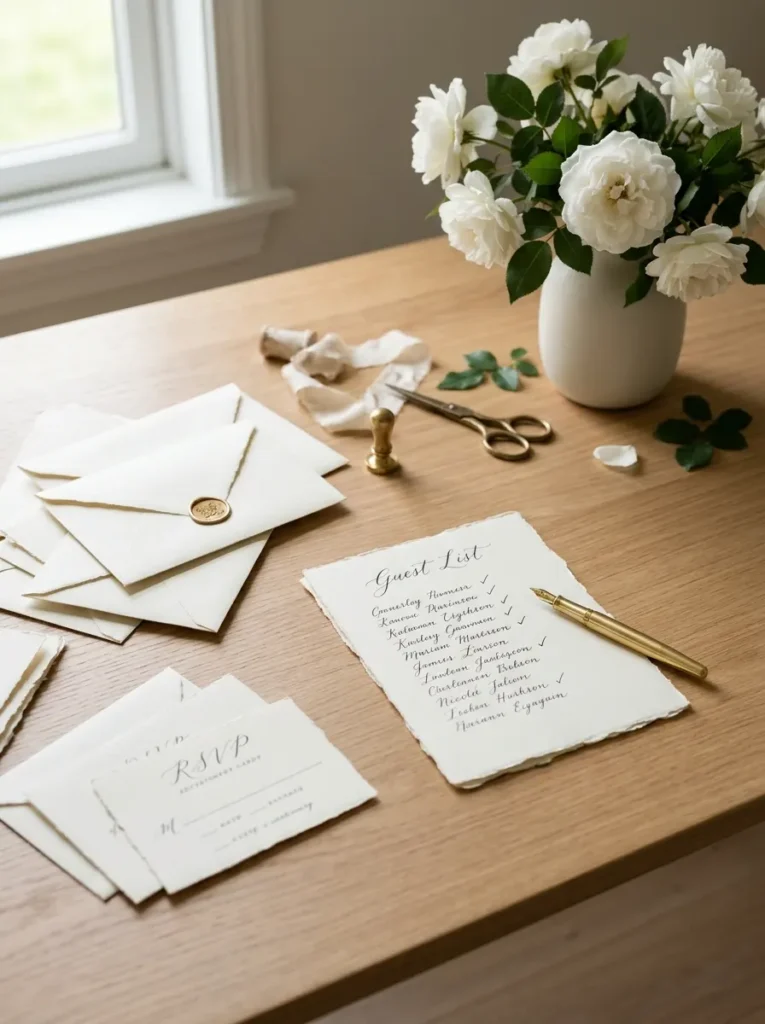
The guest list helps determine the venue, food quantities, seating arrangements, and overall atmosphere. Start with the people closest to the couple rather than inviting everyone immediately.
Consider including:
- Immediate family members.
- Grandparents and close relatives.
- Best friends.
- Important family friends.
- Other loved ones the couple wants to celebrate with.
One important etiquette consideration is the relationship between the engagement party guest list and the wedding guest list. Traditionally, people invited to an engagement party should also be invited to the wedding.
Emily Post’s wedding and party guest-list guidance explains this traditional expectation. If you are planning a very small wedding, destination wedding, or elopement, make the situation clear so guests understand the celebration plans.
Before sending invitations, ask the couple to approve the final list. This is especially important when family members or friends are organizing the event on their behalf.
5. Choose an Engagement Party Theme

A theme gives the celebration a clear direction. It helps you choose decorations, flowers, table settings, invitations, and even the food presentation.
Your theme does not need to be complicated. A simple color palette or a setting that reflects the couple’s personality can create a beautiful atmosphere.
Some popular engagement party themes include:
- Elegant garden party: Fresh flowers, soft colors, and outdoor dining.
- Modern minimalist: Neutral decorations, clean table settings, and simple floral arrangements.
- Romantic candlelight dinner: Warm lighting, elegant dinnerware, and delicate centerpieces.
- Backyard celebration: String lights, comfortable seating, and relaxed food stations.
- Classic black and white: Coordinated table settings and timeless decorations.
- Casual brunch: Fresh flowers, pastries, coffee, and a bright daytime atmosphere.
Choose something that suits the couple rather than following a trend simply because it looks attractive online.
For more inspiration, explore our guide to beautiful at-home engagement party ideas, including creative ways to celebrate in a living room, dining space, or backyard.
6. Select a Venue That Fits Your Celebration

The venue should match your guest count, budget, and preferred party style. A beautiful location does not have to be expensive or elaborate.
Here are a few options to consider:
- Private home: A comfortable choice for intimate gatherings and smaller budgets.
- Backyard or garden: Works beautifully for outdoor dinners and daytime celebrations.
- Restaurant: A practical option when you want food service without organizing everything yourself.
- Private event space: Suitable for larger gatherings that need dedicated seating and event facilities.
- Rooftop venue: An attractive setting for modern evening celebrations.
- Country club or hotel: Useful for more formal events with additional services.
Before booking, check the venue’s capacity, rental charges, parking, accessibility, restroom facilities, and available setup time.
For outdoor events, always consider a backup plan in case of rain or uncomfortable weather. Ask about cancellation policies and any restrictions on decorations, music, or outside catering.
7. Decide Whether You Need Professional Vendors

Not every engagement party requires a professional event team. A smaller gathering can often be organized with help from family and friends.
However, professional services may make planning easier when you are hosting a larger celebration or have limited time.
Depending on your needs, consider hiring:
- A caterer to prepare and serve the food.
- A florist to arrange centerpieces and decorative flowers.
- A photographer to capture important moments.
- An event decorator to coordinate the visual setup.
- A DJ or musician to provide background entertainment.
- Rental services for tables, chairs, and equipment.
Ask vendors for written quotes that explain what is included. Compare the total cost, setup arrangements, service hours, and any additional charges before confirming a booking.
If your budget is limited, prioritize the service that matters most to the couple. You can handle simpler tasks yourself without hiring someone for every detail.
8. Plan the Engagement Party Invitations

Once the date, venue, and guest list are confirmed, start preparing the invitations. They should tell guests what the celebration is about and provide all the information needed to attend.
Include these details:
- The engaged couple’s names.
- The host’s names, when appropriate.
- The date and starting time.
- The venue name and complete address.
- RSVP instructions and reply deadline.
- Dress code, if applicable.
- Parking or other useful arrival information.
You can choose printed invitations for a formal dinner or digital invitations for a casual gathering. The design should reflect the atmosphere of the event.
As a practical starting point, send invitations around three to six weeks before the celebration. Give out-of-town guests additional notice when possible.
Need help finding the right words? Our guide to engagement party invitation wording includes examples for formal, modern, casual, and family-hosted celebrations.
9. Organize the Food and Drinks

Food is one of the most important parts of a welcoming engagement celebration. Your menu should match the time of day, venue, guest count, and overall party style.
For a daytime celebration, consider:
- Mini sandwiches and breakfast bites.
- Fresh fruit platters.
- Pastries and muffins.
- Salads and light snacks.
- Coffee, tea, and fresh juices.
For an evening party, you might serve:
- Appetizers and finger foods.
- Small sandwiches and savory bites.
- Family-style dinner dishes.
- Cheese and fruit boards.
- Mini desserts and an engagement cake.
Provide a selection of nonalcoholic refreshments, including sparkling water, lemonade, fruit drinks, and mocktails.
Ask guests about food allergies and dietary needs when they RSVP. Keep food at appropriate temperatures, and arrange enough serving space so guests can eat comfortably.
Choose a menu that can be prepared or delivered on time. The host should not have to spend the entire celebration working in the kitchen.
10. Plan the Decorations and Table Setup


Decorations help establish the atmosphere, but you do not need to decorate every corner of the venue. Focus on a few areas that guests will notice most.
Start with these important details:
- Welcome sign: Display the couple’s names and engagement date near the entrance.
- Table centerpieces: Use fresh flowers, candles, or simple decorative arrangements.
- Photo backdrop: Create a designated area for pictures with friends and family.
- Lighting: Add soft lighting or string lights for a warm atmosphere.
- Dining setup: Coordinate tablecloths, napkins, plates, and glassware.
- Dessert table: Arrange the engagement cake and other treats in an attractive display.
Choose two or three main colors and repeat them throughout the decorations. This creates a coordinated appearance without making the space feel overcrowded.
Remember to leave enough room for guests to walk around, sit comfortably, and reach the food and drinks.
11. Arrange Music and Entertainment

Music helps create a welcoming atmosphere and gives the celebration a little extra personality. Your choices should match the venue and the kind of gathering you are hosting.
For a relaxed party, prepare a playlist with acoustic music, soft instrumental songs, or familiar favorites. For an evening celebration, you might choose upbeat music that encourages guests to enjoy themselves.
You can also include a few simple activities:
- A couple’s trivia game.
- A photo booth with a themed backdrop.
- A memory-sharing activity with family and friends.
- A short slideshow of the couple’s photographs.
- A guestbook where loved ones can leave messages.
Keep activities optional. Some guests will enjoy participating, while others may prefer spending time talking and getting to know each other.
12. Choose the Couple’s Engagement Party Outfits

The engaged couple should feel comfortable and appropriately dressed for the occasion. Their outfits can reflect the party’s theme without needing to match every decoration.
For a daytime garden party, a dress, coordinated separates, or a smart casual outfit may work well. An evening dinner might call for a cocktail dress, a tailored suit, or another polished look.
Consider these details before choosing an outfit:
- The venue and expected weather.
- The time of the celebration.
- The invitation’s dress code.
- Comfort while sitting, standing, and greeting guests.
- Whether the event involves outdoor activities.
If you want coordinated photographs, the couple can choose complementary colors or similar levels of formality. Matching outfits are not necessary.
13. Confirm RSVPs and Final Guest Numbers

As the party approaches, review the responses and contact guests who have not replied. A confirmed guest count helps you finalize the seating, food quantities, venue arrangements, and any rentals.
Share the final number with the caterer and venue according to their deadlines.
Also confirm:
- Special dietary requirements.
- Children or additional guests included in invitations.
- Parking and arrival instructions.
- Seating arrangements for guests who need assistance.
- Any changes to the event schedule.
Keep the latest guest list in one document so the host and helpers can work from the same information.
14. Create a Simple Engagement Party Timeline

A basic schedule helps everyone understand what needs to happen and when. It also gives the host enough time to enjoy the celebration instead of managing every detail.
Here is an example of a relaxed three-hour engagement party:
| Time | Activity |
|---|---|
| 4:00 PM | Guests arrive and enjoy refreshments. |
| 4:30 PM | Guests mingle and take photographs. |
| 5:00 PM | Food and drinks are served. |
| 5:45 PM | Optional games or a short activity. |
| 6:15 PM | Host or family member gives a short toast. |
| 6:30 PM | Cake, dessert, and group photographs. |
| 7:00 PM | Guests begin departing. |
This is only a sample schedule. A brunch, formal dinner, or casual backyard gathering may follow a different order.
Leave some open time between activities. The best engagement parties allow guests to enjoy conversations without feeling rushed.
15. Prepare for the Party Day and After-Event Tasks

During the final week, review the arrangements and make sure everyone knows their responsibilities. Small checks can prevent unnecessary problems when guests start arriving.
Use this final preparation list:
- Confirm the venue and vendor bookings.
- Check the final guest count.
- Prepare the decorations and welcome sign.
- Confirm food delivery or catering times.
- Test the music and any presentation equipment.
- Arrange seating and guest areas.
- Prepare a safe place for cards and gifts.
- Assign someone to help with photographs.
- Share the party timeline with the helpers.
- Make a plan for cleanup after the event.
During the celebration, the host should welcome guests and make introductions when necessary. If some family members are meeting for the first time, thoughtful introductions can help everyone feel included.
After the party, thank guests for attending and send personal thank-you notes to people who brought gifts. A short handwritten message is a thoughtful way to acknowledge their generosity.
How Far in Advance Should You Plan an Engagement Party?
There is no universal planning deadline for an engagement party. A small gathering at home may come together in a few weeks, while a larger celebration with a booked venue and several vendors may require more preparation.
The following timeline is a useful starting point for a moderately sized celebration:
| Planning Period | What to Complete |
|---|---|
| 6–8 weeks before | Choose the host, budget, date, guest list, and venue. |
| 4–6 weeks before | Send invitations and arrange major vendors. |
| 2–3 weeks before | Finalize the menu, decorations, and entertainment. |
| 1 week before | Confirm RSVPs, bookings, and the event schedule. |
| 1–2 days before | Prepare supplies, organize decorations, and check final details. |
| Party day | Complete the setup, welcome guests, and enjoy the celebration. |
Adjust this schedule to suit your venue and the amount of preparation required. Some suppliers may need to be booked much earlier, especially during busy wedding seasons.
Common Engagement Party Planning Mistakes to Avoid
Even a simple engagement party can become stressful when important details are overlooked. Keep these common mistakes in mind as you organize the celebration.
1. Setting the Guest List Before the Budget
Inviting too many people before understanding your budget can create problems with venue capacity and food costs. Decide how much you can comfortably spend before finalizing the number of guests.
2. Booking a Venue Without Checking Its Capacity
A beautiful location may not provide enough seating or room for your planned activities. Check the maximum guest capacity and available facilities before paying a deposit.
3. Leaving Invitations Until the Last Minute
Late invitations can make it difficult for guests to arrange their schedules. Send them with enough notice, particularly when relatives or friends need to travel.
4. Spending Too Much on Decorations
Buying too many decorative items can use up money that would be better spent on food, seating, or guest comfort. Focus on a few attractive details instead.
5. Forgetting About Dietary Requirements
Not every guest will have the same food preferences or dietary needs. Ask about important requirements when collecting RSVPs and communicate them to whoever is preparing the food.
6. Planning Too Many Activities
An engagement party is also a chance for family and friends to spend time together. Avoid filling every part of the schedule with games, speeches, and formal activities.
7. Giving the Host Too Many Responsibilities
One person should not have to manage the food, decorations, guest arrivals, music, and photographs alone. Assign simple tasks to willing helpers before the celebration begins.
Engagement Party Planning Checklist
If you want a quick way to track your progress, use this checklist as you work through the planning process.
- Decide who will host the celebration.
- Agree on a realistic budget.
- Choose a suitable date and time.
- Prepare the guest list.
- Select an engagement party theme.
- Find and book the venue.
- Arrange any professional vendors.
- Prepare and send invitations.
- Confirm guest responses.
- Choose the food and refreshments.
- Organize flowers and decorations.
- Prepare music and entertainment.
- Choose the couple’s outfits.
- Create a party-day timeline.
- Arrange helpers and final preparations.
- Prepare thank-you notes for after the event.
For a more detailed breakdown of individual tasks, visit our Essential Engagement Party Checklist and use it alongside this step-by-step planning guide.
Frequently Asked Questions About Planning an Engagement Party
Who traditionally pays for an engagement party?
Traditionally, the bride’s parents often hosted and paid for the engagement party. Today, either family, close friends, or the engaged couple can cover the expenses. Whoever is hosting should agree on the budget and financial responsibilities before making bookings.
How many guests should you invite to an engagement party?
There is no required guest count. The number depends on your budget, venue capacity, and the people the couple wants to celebrate with. A small gathering may include only immediate family and close friends, while a larger event can include extended relatives and other loved ones.
Should everyone invited to an engagement party also receive a wedding invitation?
Traditionally, yes. Guests may assume that attending the engagement party means they will also be invited to the wedding. If you are planning a destination wedding or a very small celebration, communicate your plans clearly before sending engagement party invitations.
How long should an engagement party last?
Many engagement parties last around two to four hours, depending on the format. A casual afternoon gathering may be shorter, while a formal dinner can take longer. Choose a schedule that gives guests enough time to enjoy the food and conversation.
Do guests have to bring gifts to an engagement party?
No, engagement party gifts are not a requirement. Some guests may choose to bring a card or a small present, depending on family and regional customs. Emily Post also explains that engagement gifts can vary by social group and are not expected in every situation.
Can you plan your own engagement party?
Absolutely. Couples can organize their own celebration if they prefer to manage the budget, guest list, venue, and decorations themselves. It can be a practical choice when family members live far away or when you want a particular style of celebration.
What is the best month to have an engagement party?
There is no single best month. Spring and summer can work well for garden parties and outdoor gatherings, while fall and winter offer opportunities for cozy dinners and indoor celebrations. Choose a date based on the couple’s availability, guest schedules, and the type of venue you prefer.
Conclusion
Planning an engagement party becomes much easier when you approach it one step at a time. Start with the host, budget, guest list, and venue before moving on to invitations, food, decorations, and entertainment.
Remember that a memorable engagement celebration does not depend on how much you spend. Thoughtful planning, comfortable surroundings, good food, and meaningful time with family and friends are what make the occasion special.
Start with a realistic plan, keep the arrangements personal, and leave enough room to enjoy the celebration. Your engagement party should be a happy beginning to the wedding journey, not another source of planning stress.
Join the Conversation