
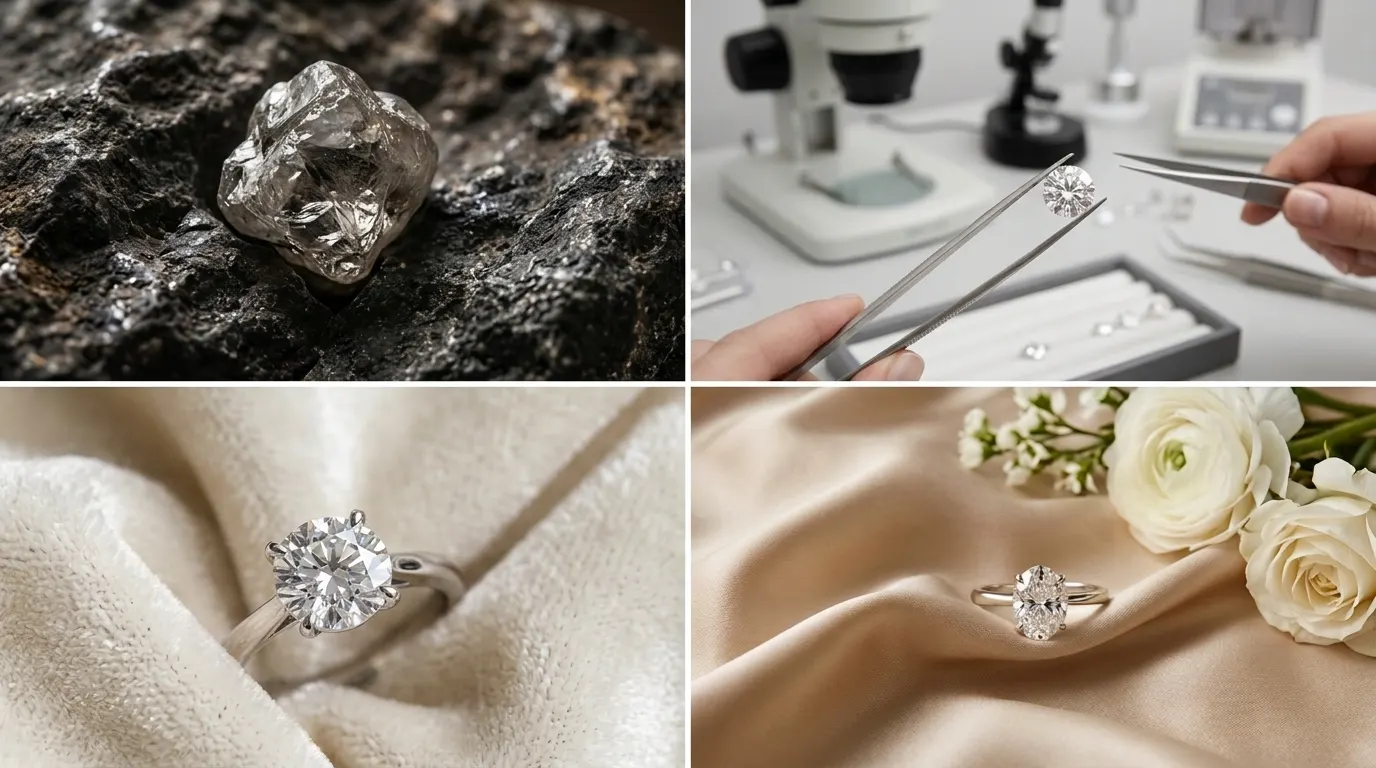
Choosing an engagement ring is exciting, but picking the right diamond can feel confusing. One of the biggest decisions is whether to choose a lab-grown diamond or a natural diamond. Both can look beautiful, sparkle brilliantly, and become meaningful symbols of your relationship. However, they differ in how they are formed, how much they cost, and how buyers think about their long-term value.
If you are comparing lab grown vs natural diamonds, you are probably wondering whether the more affordable option offers the same beauty and durability. You may also want to know whether a natural diamond is worth the extra cost.
The good news is that both options have advantages. The right choice depends on your budget, personal values, preferred diamond size, and what matters most to you.
Lab-Grown vs Natural Diamonds: What Is the Difference?
The main difference between lab-grown and natural diamonds is where they form.
Natural diamonds develop deep inside the Earth under high pressure and temperature over extremely long periods. They are brought closer to the surface through natural geological processes and later mined.
Lab-grown diamonds are created in controlled laboratory environments. Scientists use advanced technology to recreate conditions that allow diamond crystals to grow. Two common methods are High Pressure High Temperature (HPHT) and Chemical Vapor Deposition (CVD).
Both types are real diamonds. They have essentially the same chemical composition, crystal structure, and optical properties. Their differences are mainly related to origin, price, availability, and market perception.
Quick Comparison: Lab-Grown vs Natural Diamonds
| Feature | Lab-Grown Diamond | Natural Diamond |
|---|---|---|
| Origin | Created in a laboratory | Formed naturally inside the Earth |
| Appearance | Can look identical to a natural diamond | Classic natural diamond appearance |
| Composition | Crystalline carbon | Crystalline carbon |
| Durability | 10 on the Mohs hardness scale | 10 on the Mohs hardness scale |
| Price | Generally more affordable | Generally more expensive |
| Availability | Can be produced in different sizes and qualities | Depends on natural supply and market availability |
| Resale | Resale prices can be limited | Resale prices can also be lower than the original purchase price |
| Best For | Buyers who want more size or quality within a set budget | Buyers who value natural origin and geological rarity |
1. How Are Natural Diamonds Formed?
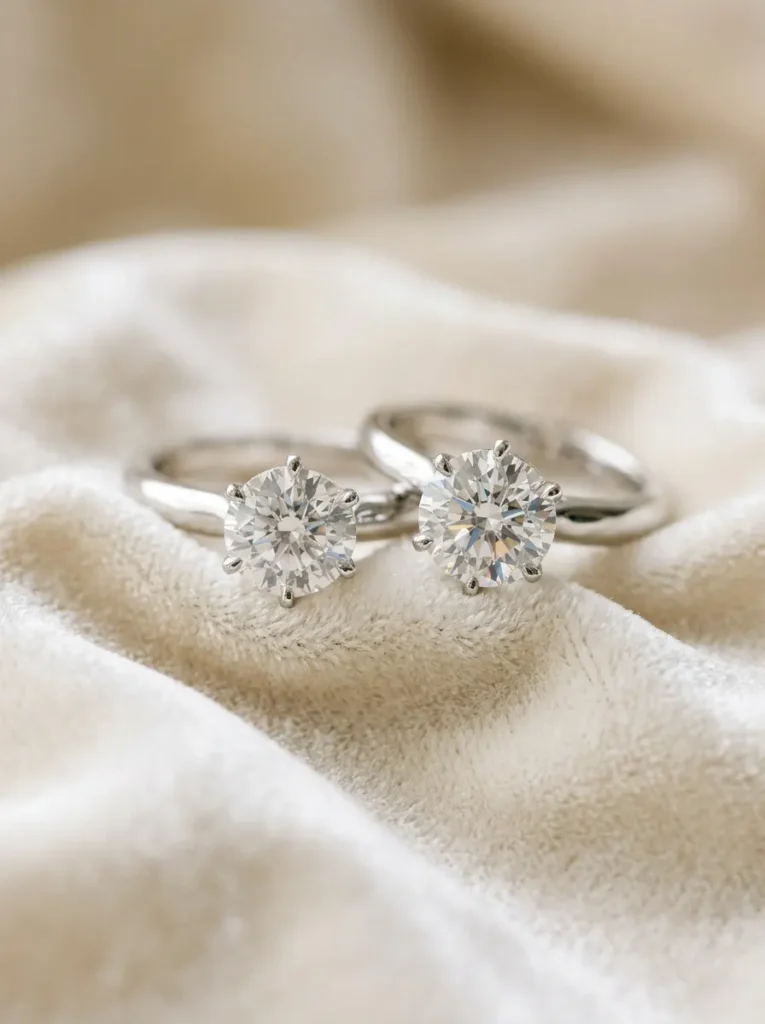
Natural diamonds form deep beneath the Earth’s surface. Over millions or billions of years, carbon atoms arrange themselves into a strong crystal structure under intense pressure and high temperatures.
Volcanic activity can bring diamond-bearing rocks closer to the surface. Mining companies then extract these rocks and recover the diamonds.
Because natural diamonds form through geological processes, every stone has its own characteristics. Some contain tiny internal features called inclusions. Others have small surface marks known as blemishes.
Natural diamonds are appealing to buyers who appreciate their geological history and natural origin. Their rarity can also be an important part of their appeal.
Why It Matters: Choose a natural diamond if its natural formation and geological story are important parts of what you want in an engagement ring.
2. How Are Lab-Grown Diamonds Made?
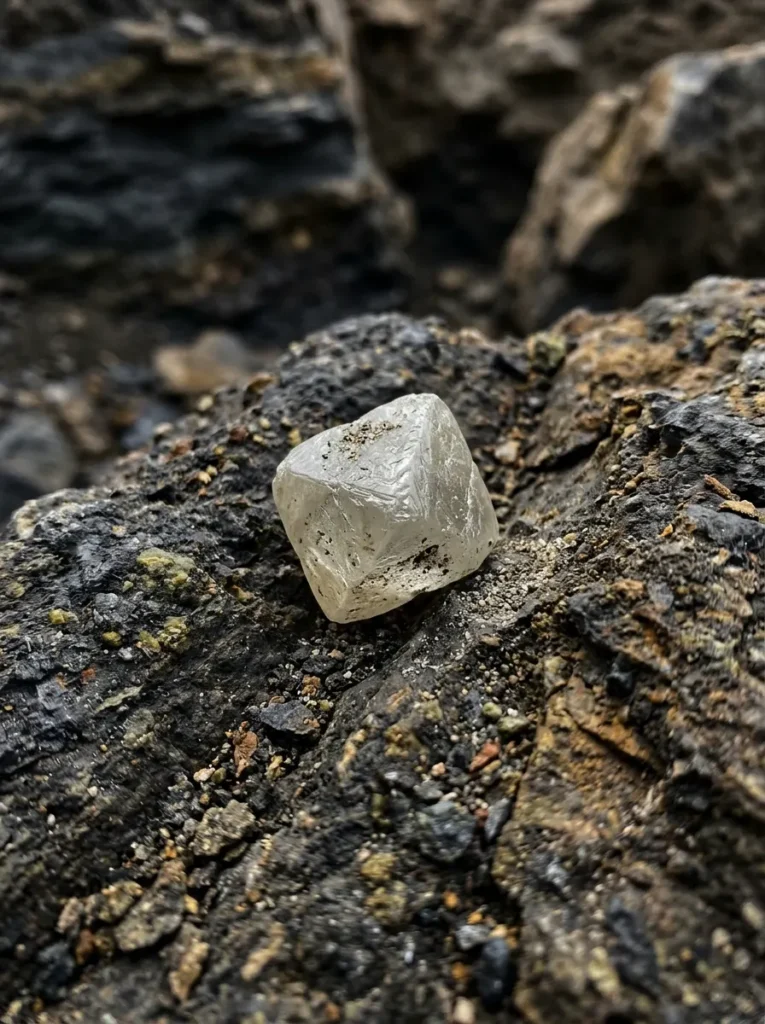
Lab-grown diamonds are produced in specialized facilities using advanced technology. These facilities recreate the conditions needed for carbon atoms to form diamond crystals.
There are two widely used production methods:
High Pressure High Temperature (HPHT)
HPHT technology uses high pressure and high temperature to encourage diamond growth. It recreates some of the conditions found deep inside the Earth.
Chemical Vapor Deposition (CVD)
CVD uses a controlled chamber containing carbon-rich gases. Carbon atoms gradually settle onto a diamond seed and build a crystal layer by layer.
After growing, lab-created diamonds may be cut, polished, and graded just like natural diamonds.
Why It Matters: Lab-grown diamonds offer another way to purchase a real diamond without relying on natural mining for the stone itself.
3. Do Lab-Grown and Natural Diamonds Look the Same?
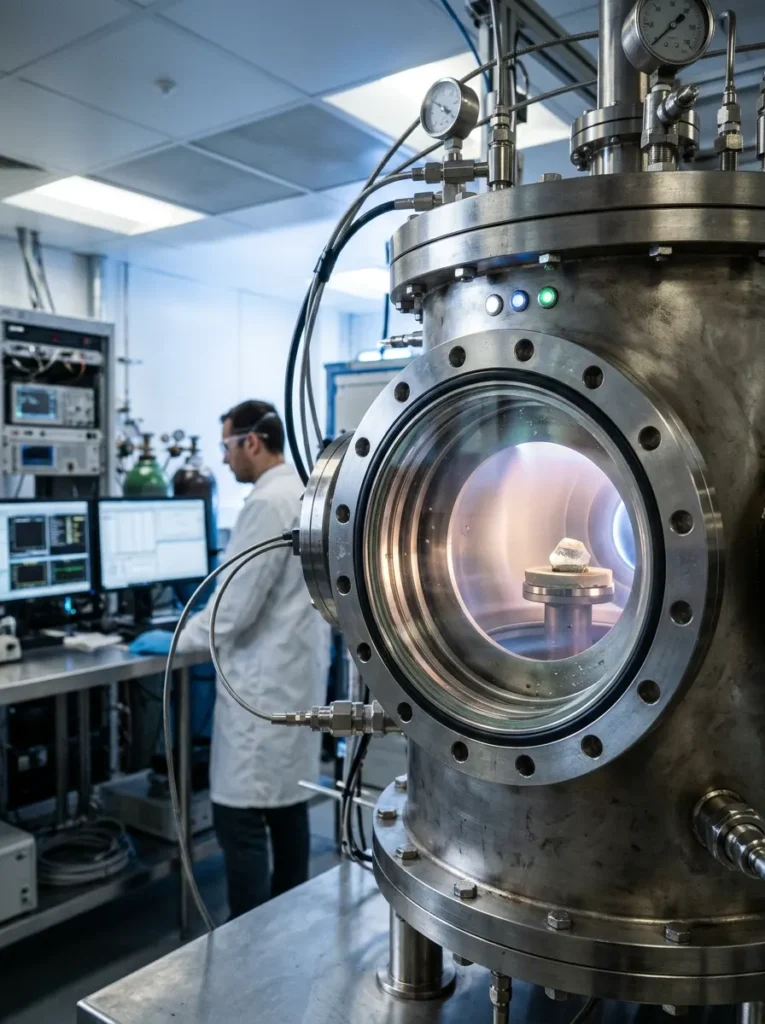
Yes, lab-grown and natural diamonds can look extremely similar. Both can produce the bright sparkle and light reflection people love in engagement rings.
Their appearance depends on several factors, including cut, color, clarity, and overall craftsmanship.
A well-cut diamond can reflect light beautifully, regardless of whether it formed underground or in a laboratory.
Most people cannot reliably identify a lab-grown diamond just by looking at it. Specialized gemological equipment and testing may be needed to determine its origin.
Which Diamond Has More Sparkle?
Neither type automatically sparkles more. A well-cut lab-grown diamond can look brighter than a poorly cut natural diamond of similar size.
When comparing stones, pay close attention to cut quality. It has a major effect on how a diamond handles light.
Styling Tip: If sparkle is your priority, compare actual diamond videos or view the stones in person under neutral lighting before making a decision.
4. Which Diamond Is More Affordable?
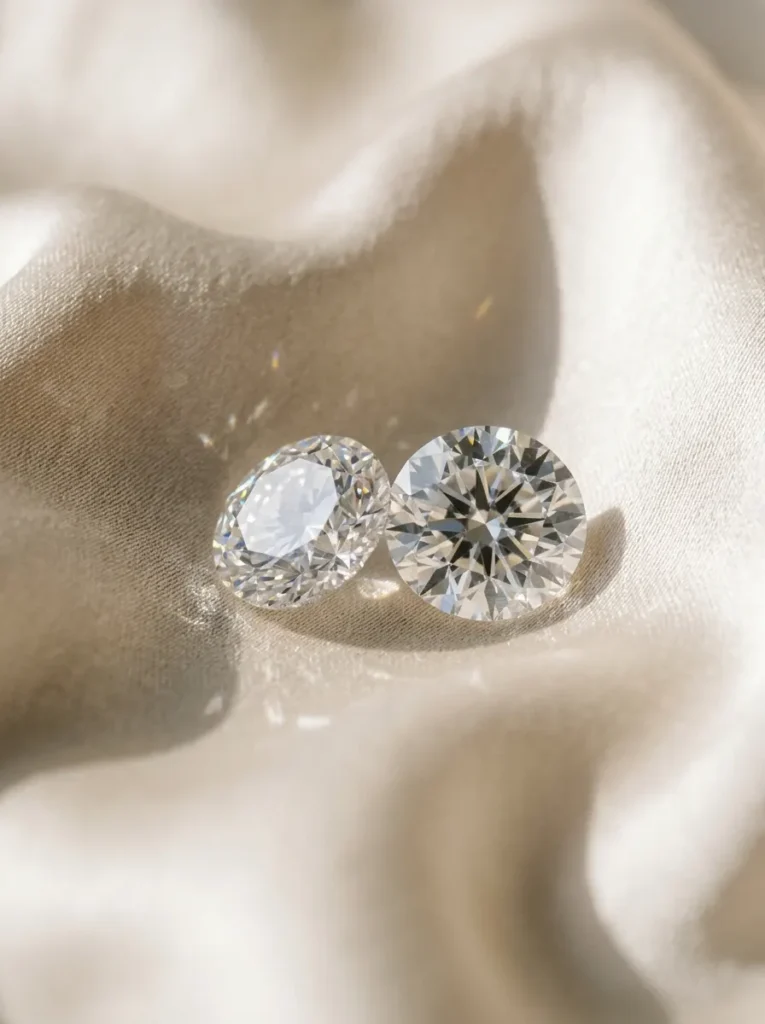
Price is one of the biggest differences between lab-grown and natural diamonds.
Lab-grown diamonds generally cost considerably less than natural diamonds with similar grading characteristics. This can allow buyers to consider a larger stone or a higher color and clarity grade within the same budget.
Natural diamonds usually cost more because they come from a limited natural supply and have an established position in the jewelry market.
However, prices vary. Carat weight, cut, color, clarity, shape, certification, and retailer pricing all affect the final cost.
Why Are Lab-Grown Diamonds Less Expensive?
Lab-grown diamonds can be produced in controlled facilities. Their supply can increase as production technology develops and more manufacturers enter the market.
Natural diamonds require exploration, mining, recovery, and distribution. Their supply is also influenced by geological availability and mining operations.
These differences help explain why lab-grown diamonds are generally more affordable.
Budget Tip: Compare diamonds with similar carat weight, cut, color, and clarity. This gives you a more useful price comparison than looking at carat weight alone.
5. Are Lab-Grown and Natural Diamonds Equally Durable?
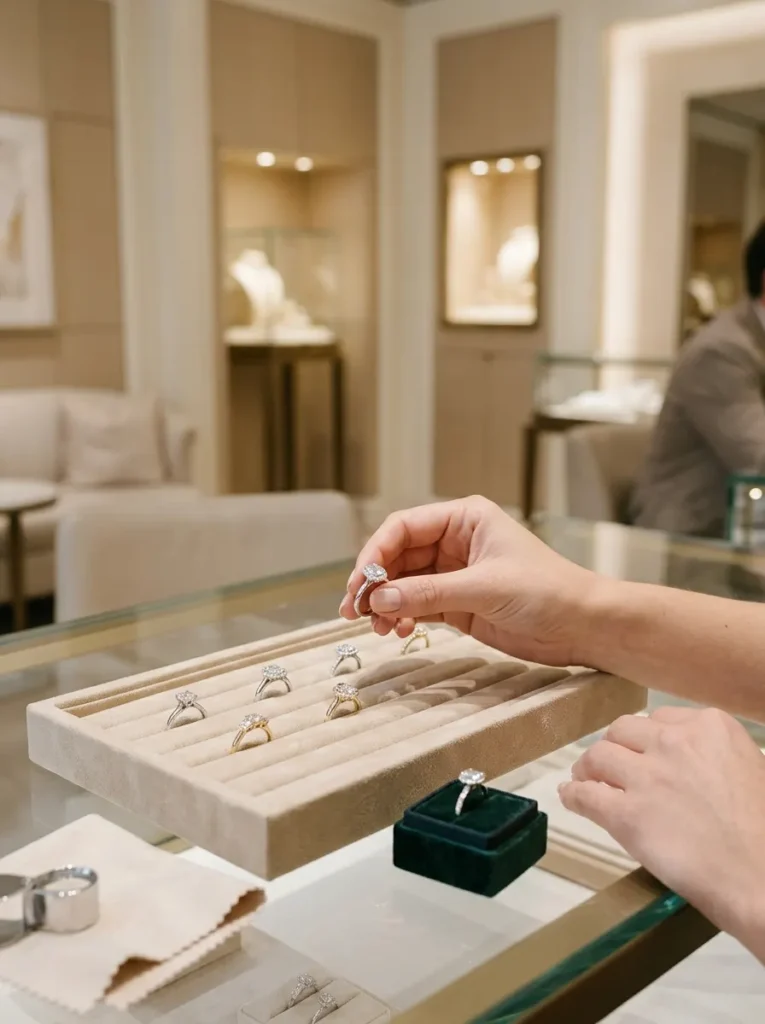
Both lab-grown and natural diamonds are extremely hard. Diamond ranks 10 on the Mohs hardness scale, making it the hardest naturally occurring mineral on that scale.
This means both types are suitable for engagement rings and regular wear when properly cared for.
However, hardness and toughness are not the same thing. Hardness describes resistance to scratching, while toughness relates to resistance to chipping or breaking.
Diamonds can still chip if they receive a strong impact, especially around exposed edges or pointed corners. The setting also matters because it helps protect the stone.
How Can You Protect Your Diamond Ring?
- Remove your ring during activities that may expose it to hard impacts.
- Clean it gently with suitable jewelry-cleaning products.
- Have the setting checked periodically by a qualified jeweler.
- Store your ring separately from other jewelry to reduce scratching.
- Make sure the prongs and other setting components remain secure.
Quick Tip: Choose a secure setting that suits your lifestyle. A beautiful diamond deserves a setting that helps protect it.
6. Which Diamond Is Rarer?
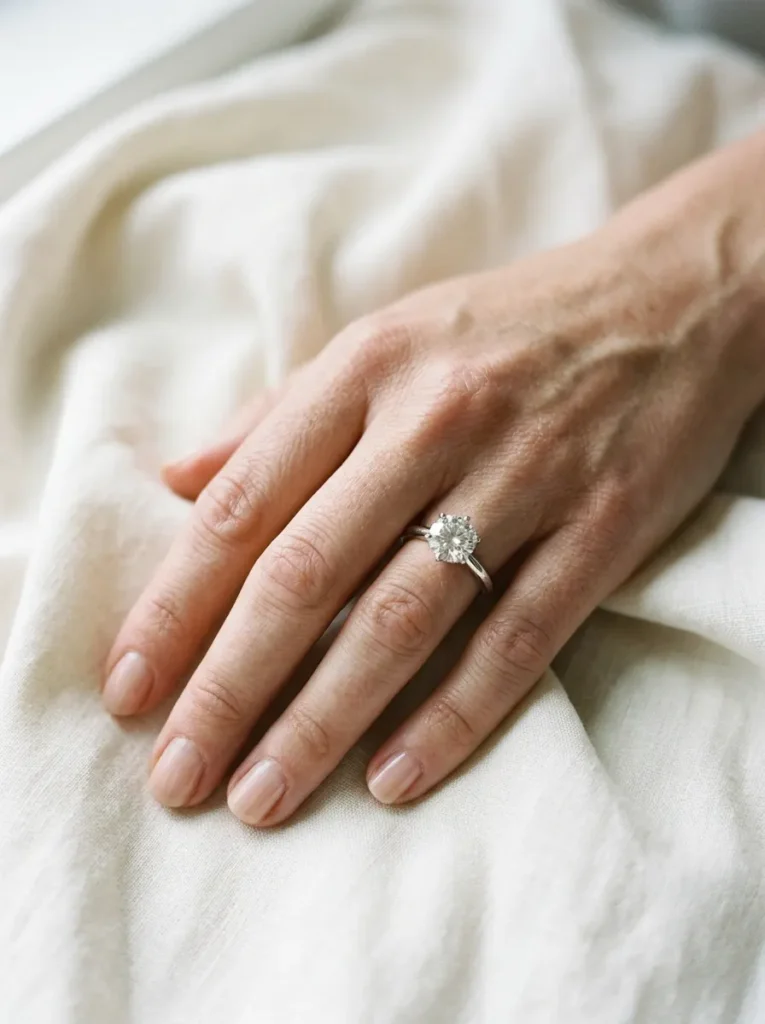
Natural diamonds are geologically rare because they require specific conditions to form inside the Earth over extremely long periods.
Lab-grown diamonds are also genuine diamonds, but their production is not limited by natural geological supply in the same way. Manufacturers can grow additional stones when demand and production capacity allow.
This difference in origin and supply is one reason natural diamonds often carry a higher price.
However, rarity does not automatically make a diamond the best choice for every buyer. Your personal preferences and budget should still guide your decision.
7. Do Natural Diamonds Have Better Resale Value?
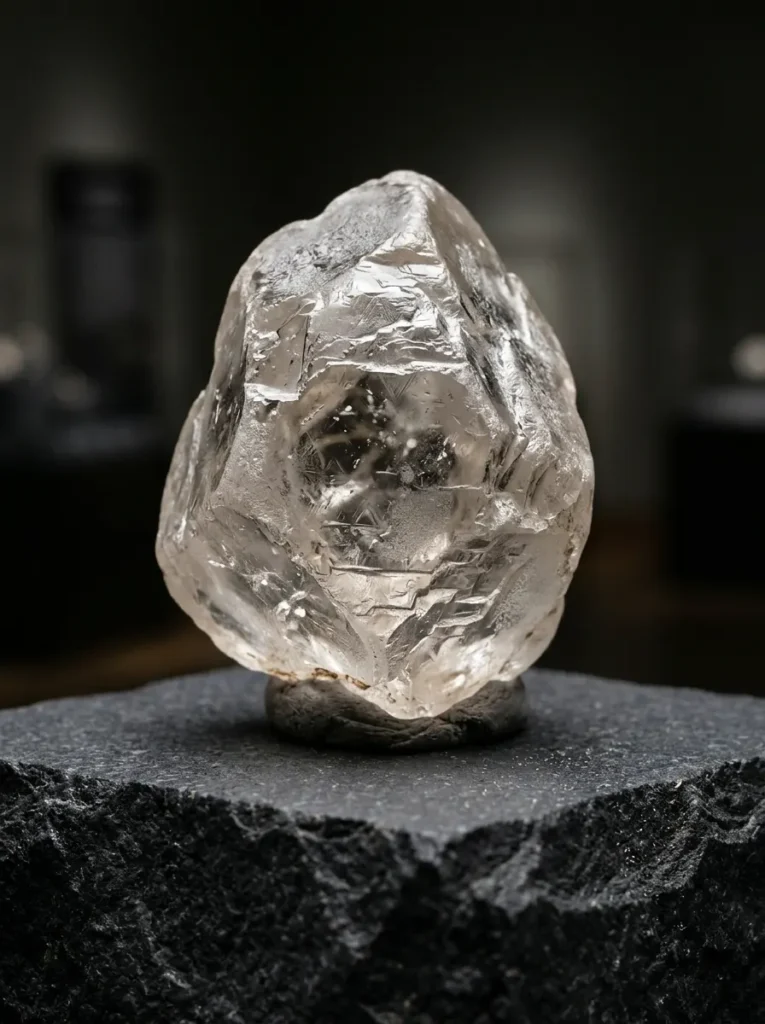
Resale value is an important consideration for some engagement ring buyers. However, neither natural nor lab-grown diamonds should be treated as guaranteed financial investments.
Natural diamonds may have a more established resale market, depending on the stone’s quality, brand, documentation, and buyer demand. Even so, a natural diamond can sell for considerably less than its original retail price.
Lab-grown diamonds generally face greater resale challenges. Their prices have changed as production capacity and market supply have increased.
The resale value of either type depends on the specific stone and the market at the time of sale.
Important: Buy an engagement ring because you love it and can comfortably afford it. Do not rely on future resale value to justify the purchase.
8. Are Lab-Grown Diamonds More Ethical and Eco-Friendly?
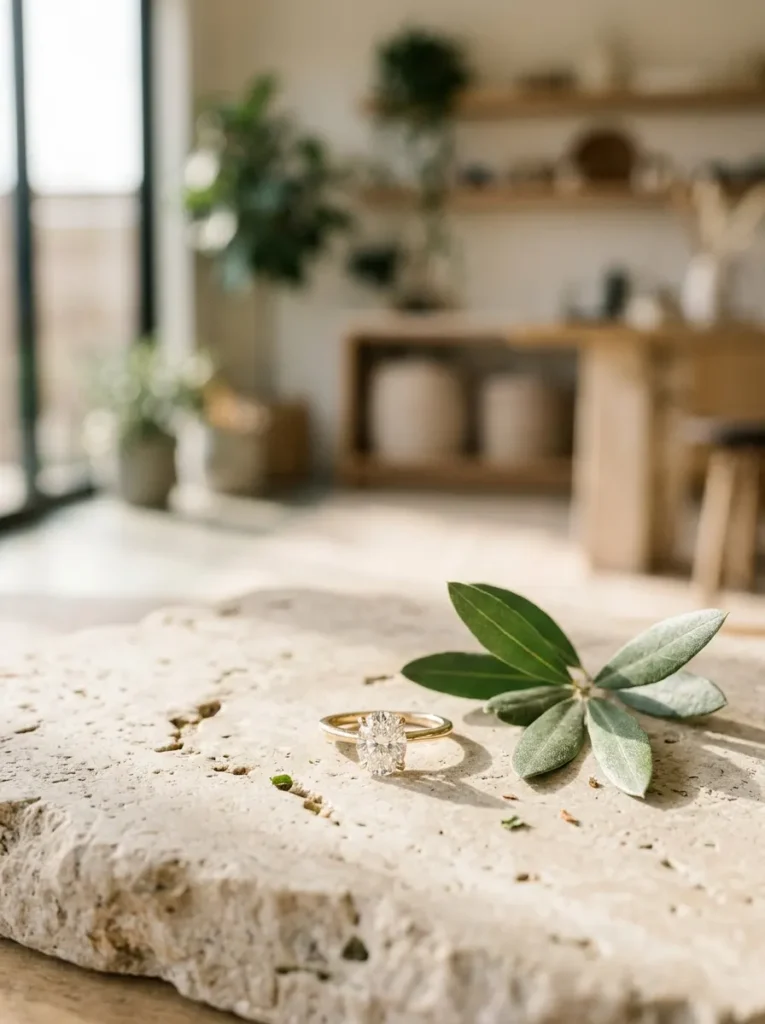
Environmental and ethical concerns can influence the decision between lab-grown and natural diamonds. However, the answer is more complicated than saying one option is always better.
Natural Diamond Considerations
Diamond mining can involve land disturbance, energy use, water use, and changes to local ecosystems. Mining practices and working conditions can also vary between locations and companies.
Responsible sourcing programs and supply-chain transparency can help buyers learn more about where a natural diamond comes from.
Lab-Grown Diamond Considerations
Lab-grown diamonds avoid mining for the diamond crystal itself. However, their production requires energy, and the environmental impact depends partly on the electricity source, manufacturing process, and facility practices.
A lab-grown diamond is not automatically carbon-neutral or impact-free.
What Should Responsible Buyers Check?
- Ask the retailer about the diamond’s origin.
- Look for clear disclosure of whether the stone is natural or laboratory-grown.
- Ask about sourcing and production information.
- Check whether the seller can provide reliable documentation.
- Be cautious of broad environmental claims without supporting evidence.
Buying Tip: Choose a seller who answers questions clearly and provides transparent information about the diamond’s origin.
9. How Are Lab-Grown and Natural Diamonds Graded?
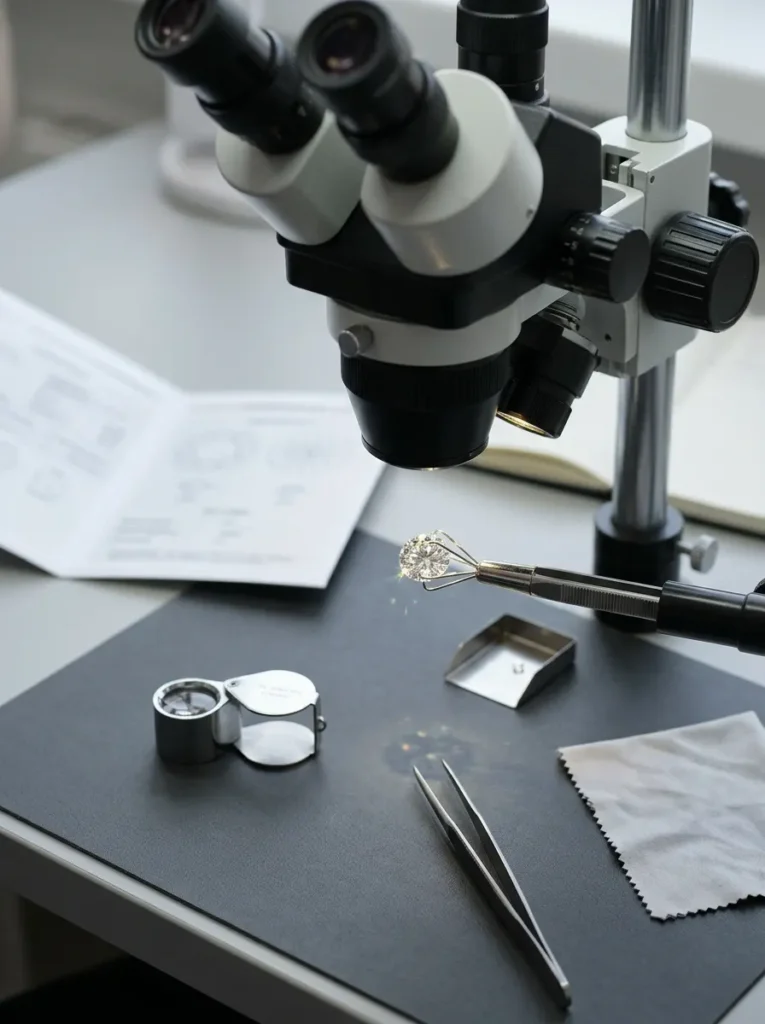
Both types of diamonds can be evaluated using the Four Cs: cut, color, clarity, and carat weight.
Cut
Cut describes how well a diamond’s proportions, symmetry, and finish help it reflect light. It has a major influence on sparkle and visual appeal.
Color
Diamond color grading generally measures how close a colorless diamond is to having no noticeable body color. Different grading systems may use specific scales.
Clarity
Clarity describes internal features and external marks. These characteristics can affect a diamond’s appearance and grade.
Carat
Carat measures a diamond’s weight, not its visible size. Two diamonds with the same carat weight can look different because of their shape and proportions.
Ask for a grading report from a recognized gemological laboratory. Read the report carefully and confirm that the diamond’s origin is clearly identified.
Remember that a grading report is not the same as a guarantee of future resale value.
10. Which Diamond Should You Choose for an Engagement Ring?
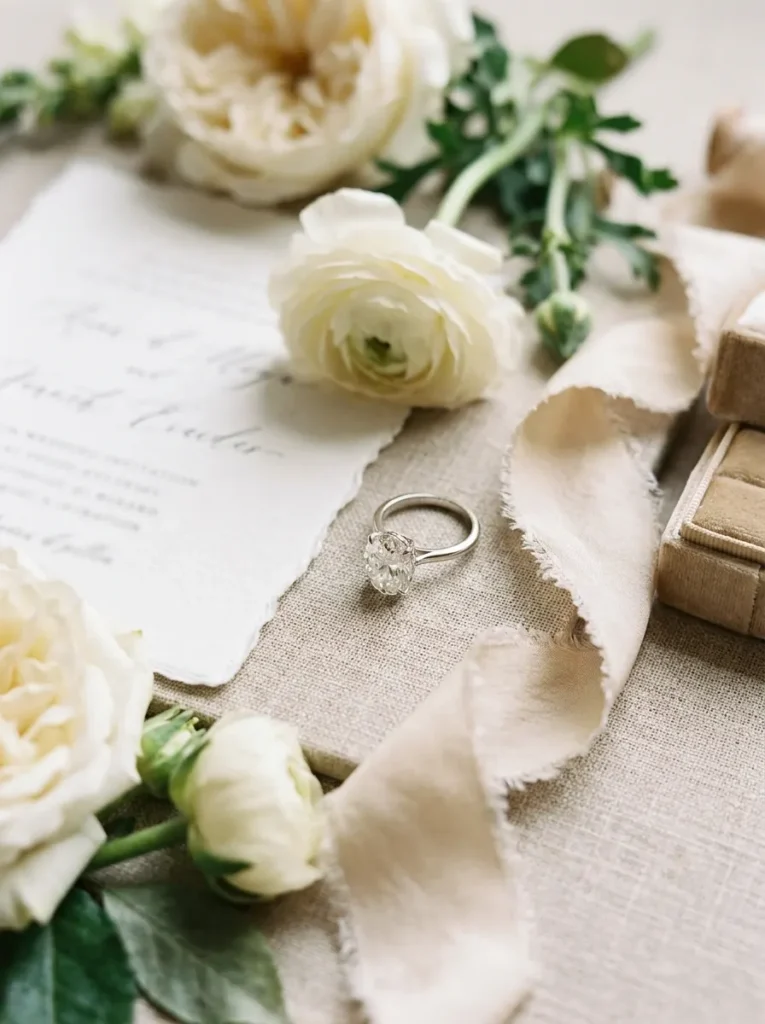
The best choice depends on what matters most to you. Instead of choosing based only on trends, think about your budget, preferred appearance, and personal values.
Choose a Lab-Grown Diamond If:
- You want to spend less while purchasing a diamond with similar visual characteristics.
- You would prefer a larger carat weight within your budget.
- You like the idea of a diamond created using modern technology.
- You do not place a high value on natural geological origin.
- You want more flexibility when comparing sizes and grading characteristics.
Choose a Natural Diamond If:
- You appreciate the natural origin and geological history of diamonds.
- You prefer a stone formed inside the Earth.
- You value the traditional market for natural diamonds.
- You are comfortable with the higher price.
- You want the natural origin to be part of your engagement ring’s story.
There is no universal winner. Both options can create a beautiful and meaningful engagement ring.
11. What Should You Check Before Buying a Diamond?
Once you have decided which type of diamond you prefer, take time to compare individual stones. A careful purchase can help you avoid paying extra for characteristics you do not actually need.
Compare Similar Diamonds
Look at stones with similar carat weight, cut, color, and clarity. This helps you understand the actual price difference between lab-grown and natural diamonds.
Review the Grading Report
Ask for a grading report from a recognized gemological laboratory. Confirm that the report matches the diamond you are purchasing.
Check the Diamond in Different Lighting
Ask to view the stone under different lighting conditions. A diamond may look different in jewelry-store lighting compared with natural daylight.
Understand the Return Policy
Read the retailer’s return, exchange, and warranty policies before paying. Check whether resizing, cleaning, and routine setting inspections are included.
Choose a Suitable Setting
Your setting affects both the appearance and everyday practicality of your ring. Consider the diamond shape, metal type, setting height, and how securely the stone is held.
Frequently Asked Questions
Are lab-grown diamonds real diamonds?
Yes. Lab-grown diamonds are real diamonds made of crystalline carbon. They have essentially the same chemical, physical, and optical properties as natural diamonds. Their main difference is their origin. Natural diamonds form inside the Earth, while lab-grown diamonds are produced in controlled laboratory environments.
Can you tell the difference between lab-grown and natural diamonds?
Most people cannot reliably tell them apart by looking at them. Both can have similar sparkle, color, and clarity. Specialized gemological equipment can identify growth characteristics and help determine whether a diamond is natural or laboratory-grown.
Do lab-grown diamonds last as long as natural diamonds?
Both types have a hardness of 10 on the Mohs scale and can last for generations with proper care. However, diamonds can still chip or become damaged by strong impacts. A secure setting and regular jewelry maintenance help protect either type.
Are natural diamonds worth the extra money?
They can be worth the higher price if you value natural geological origin, rarity, and the established natural diamond market. However, the higher cost does not automatically make a natural diamond better for every buyer. Your budget and personal preferences matter most.
Do lab-grown diamonds lose value?
Lab-grown diamond prices have changed as production and market supply have increased. Their resale value can be limited, and buyers should not assume they will recover the original purchase price. Natural diamonds can also sell for less than their original retail cost.
Which diamond is better for an engagement ring?
Both can be excellent choices. A lab-grown diamond may suit someone who wants more size or grading quality within a set budget. A natural diamond may suit someone who values its geological origin. Compare individual stones and choose the one that feels right for your priorities.
Final Verdict: Lab-Grown vs Natural Diamonds
When comparing lab grown vs natural diamonds, remember that both are genuine diamonds with beautiful visual qualities. The biggest differences are their origin, price, natural rarity, and how the market values them.
Lab-grown diamonds can offer more flexibility for buyers who want to make the most of their budget. Natural diamonds appeal to people who value their geological history and natural formation.
Before making your decision, compare the Four Cs, review the grading report, understand the retailer’s policies, and choose a setting that suits everyday wear.
Most importantly, your engagement ring should reflect your personal taste and the meaning behind your commitment. Whether you choose a lab-grown or natural diamond, the right ring is the one you are happy to wear and celebrate.
Join the Conversation